

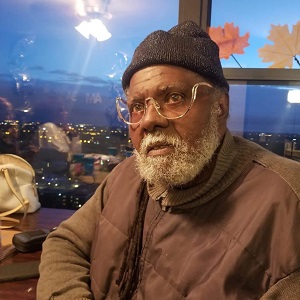
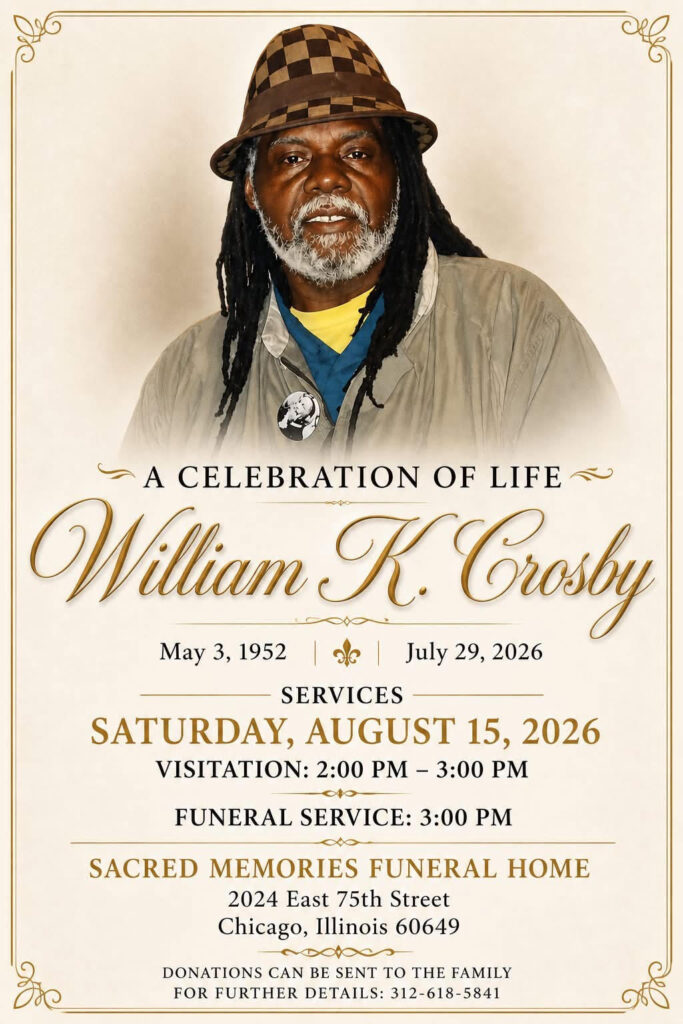
Chicago has lost one of its giants. Will K. Crosby—activist, humanitarian, connector, teacher and steadfast advocate for people with disabilities—made his transition surrounded by family, love and appreciation. His passing leaves an absence that will be felt far beyond any single organization or political campaign, because Will’s life’s work moved wherever justice called him.
For seasoned Chicago activists, the name Crosby often summons an image of two brothers: Will and Bruce. Together, the Crosby brothers were a formidable two-person force—persistent, principled and unwilling to abandon a cause simply because it was difficult or unpopular. Their work reached from the civil-rights struggle in Cairo, Illinois, to Chicago’s electoral battles, community institutions and the continuing fight to ensure that Black citizens, poor people and people with disabilities were neither ignored nor shut out.
Will and I were in college together; we were activists and culturally aggressive. Will was the most consistent human being I ever met. He was who he was from our first encounter. I campaigned with, debated and loved him, particularly as he enjoyed the fruits of his labor, such as his victory in Crosby v. Pace Suburban bus, having worked for over twenty years to help place Chicago and surrounding areas as a leading ADA (American Disabilities Act) city. Will understood that disability rights were civil rights. He advocated for handicapped citizens—the term commonly used during much of his early work—long before accessibility became a routine part of public discussion. His concern was never limited to ramps, buildings or regulations. It was about dignity: whether people could participate fully in civic life, move through the city, receive services, be heard by government and live without being treated as an afterthought.
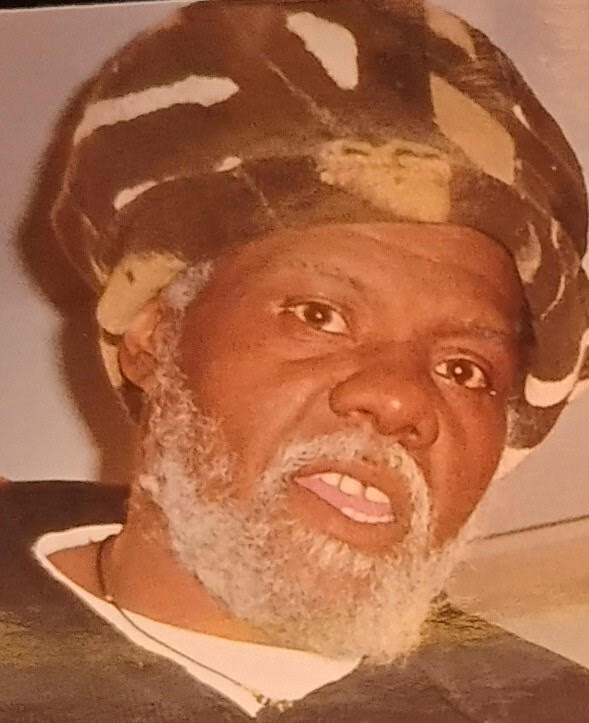
Remembering a disability-rights advocate, political organizer, Pan-African thinker and master teacher whose quiet influence reached across generations.
That same insistence on full participation defined the brothers’ political work. They opposed injustice in Cairo and supported the campaigns of Monica Faith Stewart.
They were relentless in the movement that elected Harold Washington as Chicago’s first Black mayor—not once, but twice. Their efforts belonged to the larger independent Black political movement that insisted Chicago government could be made accountable to neighborhoods it had too often neglected.
Bruce Crosby, who preceded younger brother, Will, in death, became a leader in the Harold Washington Party and headed its Progressive Independents faction during the early 1990s. In 1994, he won the party’s nomination for the 4th District seat on the Cook County Board of Commissioners. He was also identified as a co-convener of TAC, chaired the Committee to Preserve Voting Rights and spoke publicly against
political decisions he believed weakened Black voting power. His organizing also
touched the preservation of important Black institutions, including the historic Palm Tavern.
Will’s legacy is less completely captured in newspaper archives, but no less
consequential. Much of it lives in people—in the activists he advised, the relationships he maintained and the connections he made across Chicago and across continents. He possessed the rare ability to remember where people’s interests met and then bring them together. He did not have to stand at the microphone to shape what happened in the room.
James C. Anyike, who knew Will for decades, remembered first meeting him while working on Alderman Marlene Carter’s campaign in Chicago’s 15th Ward. Their relationship grew into one of teacher and student, with conversations ranging from local politics to African liberation. Even after Anyike moved to Africa, Will continued to call, check on him, and recommend people he should meet in southern Africa.
“This brother was so wise and well-versed in whatever subject he talked about,” Anyike wrote. “When he spoke, it was with absolute certainty and clarity.”
He described Will as a “master teacher” and added that “the world, and especially the authentic Black community of Chicago, are different places without Will Crosby in it. However, the revolution must continue.”
That observation captures something essential about Will. He was local and international at once. Chicago ward politics, African liberation, disability access, voting rights and the welfare of an individual friend were not separate concerns to him. They were expressions of a single responsibility: Black people and all oppressed people had a right to power, dignity, knowledge and self-determination.
I knew Will for 55 years. He was not only part of Chicago’s movement history; he was my long-time friend. He was a regular at our monthly Friday Jazz at the Quarry gatherings, where political history, culture and friendship could share the same space. His presence reminded us that movements are sustained not only by rallies and elections, but also by fellowship—by checking on one another, exchanging wisdom, listening to music and remaining connected over the decades.
When a person has worked across so many movements, the historical record can become fragmented. One archive remembers an election. Another records a protest, a voting-rights challenge or a community dispute. Friends remember the late-night conversations, introductions, counsel and acts of kindness that never made the news. Will’s story requires all of those pieces. It also reminds us why Chicago must preserve the recollections of its living movement veterans before more of this history disappears.
Will and Bruce Crosby helped build a political and humanitarian tradition that joined struggle with service. They challenged injustice, defended access, cultivated leadership, and helped keep independent Black politics alive after the death of Mayor Washington. They did the difficult work of connecting people to one another and connecting the immediate fight to the larger freedom struggle.
Another great tree has fallen. Yet a tree of that size leaves seeds, shelter and roots that continue beneath the ground. Will’s lessons survive in those he taught.
His compassion survives in those he helped. His political clarity survives in those who understand that rights must be exercised and defended. His example survives whenever someone does the work first and worries about recognition later. Will was relentless in his commitment to community change and, yes sometimes. like his brother he could be abrasive, but in the words of famed radio icon, Perri Small, “in the end, they meant well.”
I imagine Big Will (his name before college) with Bruce and Mayor Harold Washington, kicking back, running, swimming, running things and putting in what’s missing.
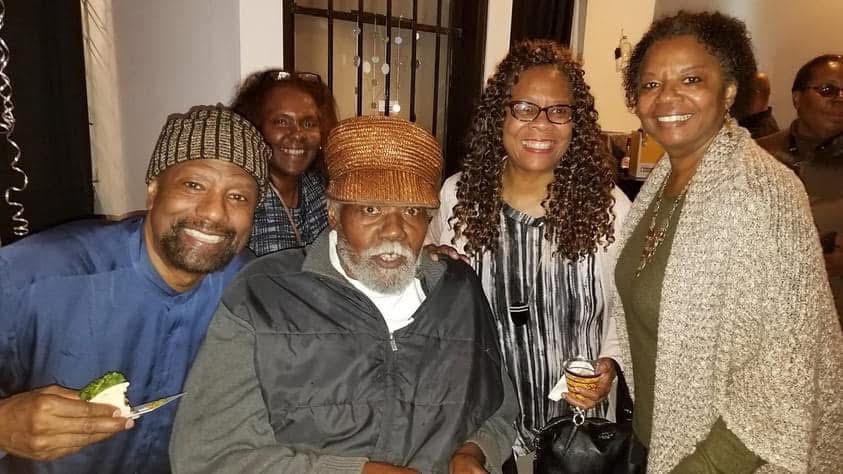
South Side Drive Magazine extends sincere condolences to the Crosby family and to the many friends, activists, students and community members who loved Will. We remember him with gratitude, hold him up with honor, and recommit ourselves to telling the history that he and his brother helped make.
Rest in power, Will K. Crosby. The revolution—and the work of caring for one another—continues.
Join me in thanking Will. His large footprint will remain indelible #Chicago #chicagoactivism #SouthSideDrive #Respect #Legacymatters #ChicagoLegends