

September is Suicide Awareness Month — a time when we shine a light on the silent battles so many people face. For me, this is more than a date on the calendar. It’s personal.
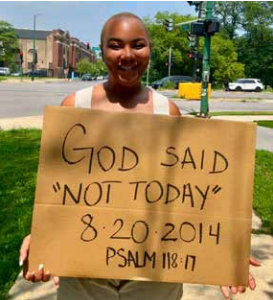
August 20th, 2014, I was headed to a psychiatric ward after trying to take my own life. I was eight months pregnant, unemployed, and felt completely hopeless. On the West Side of Chicago, at Ogden and Roosevelt, I was ready to steer my car into traffic and end everything. But God had other plans — plans that whispered, “Not today.”
That moment didn’t just save my life — it started a slow, painful, but powerful journey toward healing. Through therapy, prayer, supportive friends, and finding purpose again, I learned that it’s possible to crawl out of the darkest place, even when you can’t see the light yet.
If You’re Struggling Right Now
If you’re reading this and your chest feels heavy, your thoughts feel loud, and you’re wondering if you can keep going — pause. You don’t have to go through this alone.
Here are a few things you can try immediately:
1. Tell someone you trust. You don’t have to give all the details — just say,
2. “I’m not okay, and I need you to listen.” Call or text a crisis line. There are people trained to talk you through your lowest moment without judgment.
3. Remove harmful means. If you have access to anything you could use to harm yourself, give it to someone else for safekeeping.
4. Do one grounding activity. Put your bare feet on the floor, hold an ice cube, take slow breaths, or name five things you can see.
5. Remind yourself — this feeling is temporary. Even if it’s been here a long time, feelings can and do change.
If You Notice Someone Else Might Be Suicidal
Sometimes the signs are loud and clear. Other times, they’re subtle — a shift in mood, withdrawal from loved ones, or sudden changes in behavior.
Possible warning signs:
1. Talking about wanting to die or feeling hopeless
2. Withdrawing from friends, family, or activities they once enjoyed
3. Giving away possessions or saying goodbye
4. Sudden calmness after a period of deep sadness (sometimes a sign they’ve made a decision)
5. Increased substance use or risky behavior
How you can help:
1. Ask directly. “Are you thinking about hurting yourself?” Asking will not plant the idea — it can open a door.
2. Listen without judgment. Let them talk. Resist the urge to immediately “fix” things — your presence matters more than perfect words.
3. Stay with them if they’re in immediate danger. Don’t leave them alone until help arrives.
4. Help them connect with professional help. Offer to call a hotline together, or take them to an ER or crisis center.
5. Follow up. Check in regularly after the crisis. Ongoing support can make a huge difference.
Resources
If you or someone you know is thinking about suicide, help is available:
1. 988 Suicide & Crisis Lifeline (U.S.) – Call or text 988
2. Crisis Text Line – Text HOME to 741741
3. Veterans Crisis Line – Call 988 and press 1 or text 838255
4. The Trevor Project (LGBTQ+ youth) – Call 1-866-488-7386 or text START to 678678
5. My Final Word:
You are not weak for feeling this way. You are not a burden. And you are certainly not alone. I’m living proof that even from the edge, life can pull you back — and sometimes, it’s the kindness of one person, one moment, that changes everything. If you can be that moment for yourself or for someone else, do it. It might just save a life.