


Back in the day, before there was Affordable Health Care that allowed you to run to the doctor for every ache and pain; before there was Big Pharma with a prescription to treat any ailment, and before there was medical research to provide you with the peace of mind that maybe by the time you contracted something, there would be a cure. One of the great things about Affordable Health Care is the annual physical examination that came with it. Some people call it preventive health care, but actually it’s detective health care. If there is something lurking in the future, there’s a chance that blood test or Xray or MRI would see it.
But let’s face it, things are a lot different and they are getting more and more different by the minute. Affordable Health Care may not be so affordable in the coming years, or even months. The highest court of the land just approved removing $800,000 in research grants from the National Health Institute. Medicaid is being decreased by billions of dollars, and some of those billions helped fund Medicare, especially the Medicare Advantage programs. That means being healthy and staying healthy is up to you and me.
Very few people are actually born with diabetes, heart disease, cancer or neuropathy, etc. These diseases are generally acquired over time as a result of lifestyles and eating habits. Some diseases are genetic, but sometimes it is the eating habits that run in the family. For instance, if recipes passed down from generation to generation include lots of pork, fatty meats, or fried foods, or if processed food and sugary desserts have been family favorites for years, hypertension may be caused by the diets and not the genes.

The recent funding cuts could be a real opportunity for us to stop running to the doctors or relying on prescription drugs (with their many side effects) to treat the symptoms and instead, make some lifestyle changes that will prevent the root causes of those symptoms. Let’s go:
The Case for Water
According to the Harvard Medical School, water keeps every system in our bodies functioning. It carries nutrients and oxygens to your cells, flushes bacteria from your bladder, aids in digestion, prevents constipation, normalizes blood pressure, cushions joint, protects organs and tissues, regulates your body temperature, maintains electrolyte (sodium) balance, and that’s not all. If you’ve been prescribed Tears or other moisturizers for dry eyes, try upping your water intake and watch how the dryness goes away—same thing with hair and skin. No matter how much moisturizer you use, nothing takes the place of moisturizing from the inside. I know water isn’t as flavorful as most drinks. In fact, it’s downright boring. But once you experience how much better you feel after drinking four to eight glasses of water a day, you’ll cherish that boring drink.
Exercise
Exercise is much less expensive than Ozempic, and it works a whole lot better. But exercise isn’t just for weight loss. It is essential for maintaining both physical and mental health. According to the Mayo Clinic, engaging in regular physical activity is a cornerstone of a healthy lifestyle.
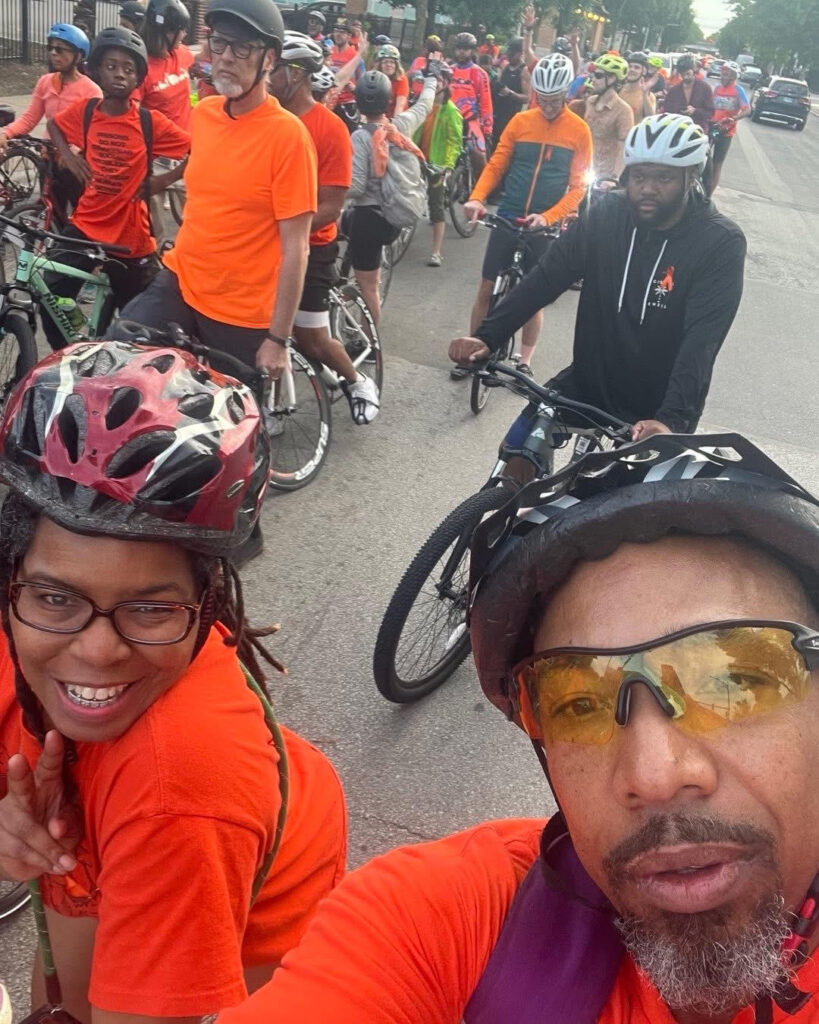
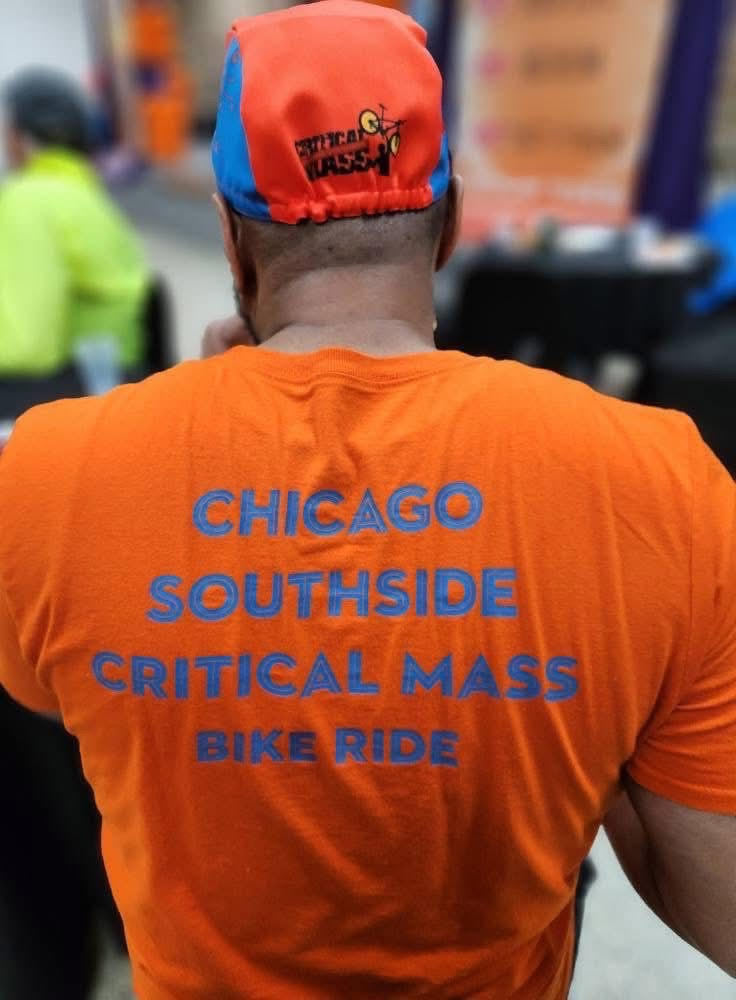
Regular physical activity strengthens the heart, lowers blood pressure and improves circulation, reducing the risk of heart disease and stroke. It improves insulin sensitivity, helping to manage and prevent type 2 diabetes. Activities like resistance training enhance muscle strength and bone density, decreasing the risk of osteoporosis and falls. Regular moderate exercise can enhance immune function, making the body more resilient against infections.
According to Mayo Clinic Sports Medicine and Mayo Clinic News Network, exercise has many mental health benefits. It stimulates the release of endorphins, leading to improved mood and reduced feelings of depression and anxiety; increases blood flow to the brain, enhancing memory, attention, and processing speed. It can alleviate stress and promote relaxation, it helps you fall asleep (toss the Melatonin) and consistent physical activity is linked to increased lifespan and a higher quality of life, reducing the risk of chronic diseases and maintaining functional independence in older adults.
So, if all those good things happen when you do exercise, what about when you don’t? Well, according to Mayo Clinic, Wikipedia, not exercising will earn you an increased risk of chronic diseases such as heart disease, type 2 diabetes, certain cancers, and obesity. Lack of exercise can also lead to increased feelings of depression and anxiety, it can result in muscle atrophy and joint stiffness, leading to decreased mobility. Plus, extended periods of inactivity can impair blood flow increasing the risk of blood clots – and most importantly, physical inactivity is linked to cognitive decline and increased risk of dementia.
Healthy Eating
If you can’t pick potato chips off of a potato chip tree, or grow hot dogs in your garden, then let’s not call them real food – at least for the purpose of healthy eating.
Healthy eating is really not difficult. Eat lean meat or fish. Avoid Tilapia. The best fish is wild-caught Alaska Salmon. Eat leafy green vegetables like spinach or kale. Eat healthy fats like avocado, butter, olive oil, eggs. Try to avoid Canola oil (that’s hard to do if you eat out frequently). All fruits are good, but go easy on the bananas if you’re watching your weight or your sugar intake. Choose organic whenever possible; it might cost a few extra pennies (or even dollars), but the cost is nothing compared to what you save on medical costs. Junk food is really not meant for human consumption. I know that sounds harsh, but it really isn’t. Sugar is not your friend. Ditch the candy and maybe have a piece of cake once a year, on your birthday.
Incorporate vitamins into your daily schedules. Must-haves are Vitamin D3, 5,000 international units (IU) daily (Dark-skinned African Americans do not absorb it well from the sun because our melanin blocks it so supplementation is vital); Vitamin C (always take with food or take coated pills or capsules), B-12 and Magnesium (Magnesium with Potassium if you have high blood pressure).
Practice deep breathing, at least 10 times daily, slow inhale through your nose and long exhale through pursed lips.
Keep taking your prescription pills, but check with your doctor often to see if your new healthy lifestyle will allow you to stop taking any of them, or at least decrease the dosage.
Make ChatGPT and You Tube your friends
ChatGPT can give you tips on eating and gives comprehensive answers about minor ailments (i.e. “why is my finger twitching?”). For major health problems, it’s best to check with your doctor. You Tube is great for exercises from in-door walking exercises to chair yoga and more.
So, have fun exercising, enjoy healthy eating, and don’t forget to invite me to your 100th birthday party!
Rael Jackson is the President of Real Men Charities, Inc. and Real Men Cook.