
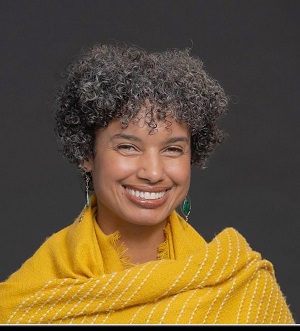
Dr. Dominica McBride, author of “Becoming Change Makers” is a change-maker herself. For over twelve years, Dr. McBride, through her organization, BECOME has been engaged in community transformation work throughout Chicago, and specifically in the Auburn Gresham community.
BECOME is a 501 C 3 nonprofit community transformation organization which Dr. McBride says “is grounded in the deep belief that the community has the answers, the brilliance, the wisdom, and the talent to create the conditions that they want and deserve. And so, we work with them through cultures, lots of practice, through compassion and using tools like evaluation, research, facilitation and strategy and solution building to co-create those solutions with community with organizations, evaluating them to make sure they’re creating the effective change that they want and help it to be sustainable.”
So far, BECOME, has done the work in over 50 communities across Chicagoland through partnership, through working in and with communities. BECOME has worked with over 90 organizations in Chicago and beyond. “We do both local and national work,” she said, “but we’re very much Chicago-based, with a passion for Chicago communities.
Although BECOME does a lot of work around the south and west sides of Chicago, she tells us that “on top of working with multiple communities, we have a long-term deep commitment to the Auburn Gresham neighborhood.” That deep commitment is shown through twelve years of providing program evaluation, strategic planning, facilitation and training in Auburn-Gresham.
The work that Dr. Dominica and her organization has been doing with and in the Auburn-Gresham community expresses their passion and commitment through an amazing report called, The Culturally Responsive Community Transformation initiative (CRCT).
The CRCT, which I’ll refer to as the Report, in its executive summary, introduces Auburn Gresham as a historically rich and resilient neighborhood in Chicago which stands as a community with boundless potential despite facing challenges such as economic instability, violence and health disparities. It states that despite facing these challenges, the people of Auburn Gresham possess profound wisdom, strength and the capacity for transformation.
The Culturally Responsive Community Transformation initiative by BECOME was generated in collaboration with True Believers Community Connections (TBCC) and the Greater Auburn Gresham Development Corporation (GAGCD.
The Executive Summary explains that “over two years, BECOME engaged more than 150 residents and local stakeholders through “Hope and Community Chats,” to capture their insights, needs and hopes for the future. The collective feedback revealed a powerful desire for community-driven change across four priority areas: youth development safety, economic vitality and community care.”
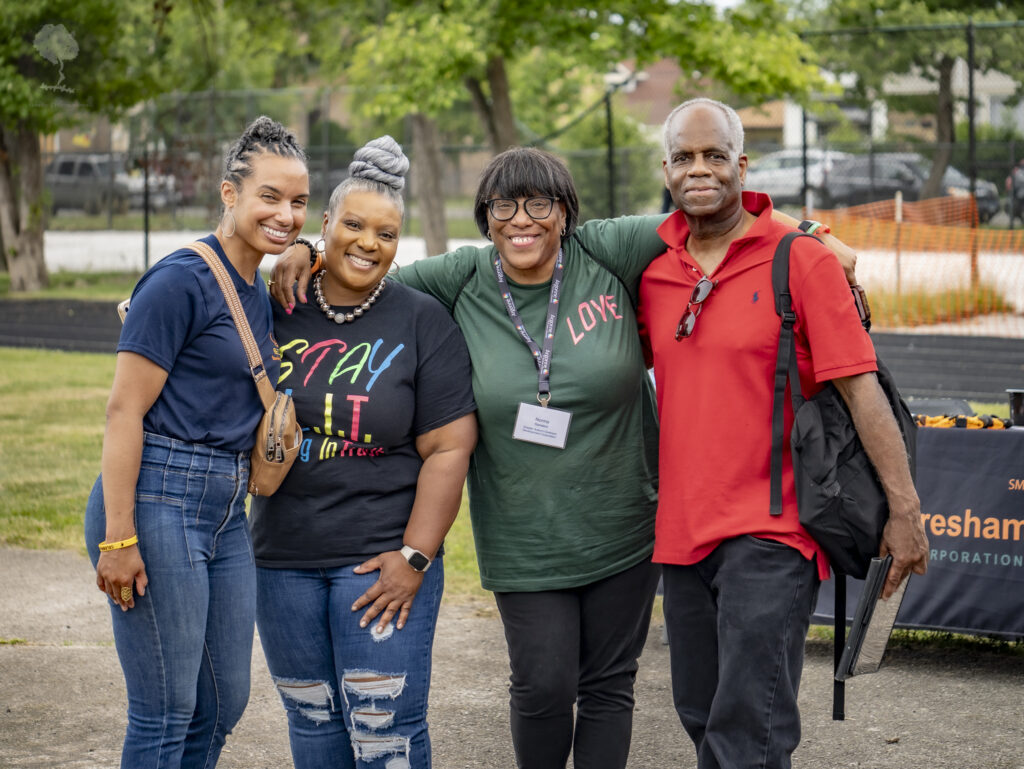
The Report focuses on the community vision for Auburn Gresham, which is “to build a ‘beautiful, flourishing village’ where residents care deeply for each other and their surroundings.” In this vision, Auburn Gresham is a community of abundance and unity, where relationships, resources and skills flow through families, homes and local businesses, fueling shared dreams and collective success. Auburn Gresham is imagined as a place of peace, safety and self-governance –where residents own their neighborhoods, from homes and green spaces to businesses and community hubs. “It is a community grounded in healing and resilience, rising above historical challenges to create a prosperous future for all.”
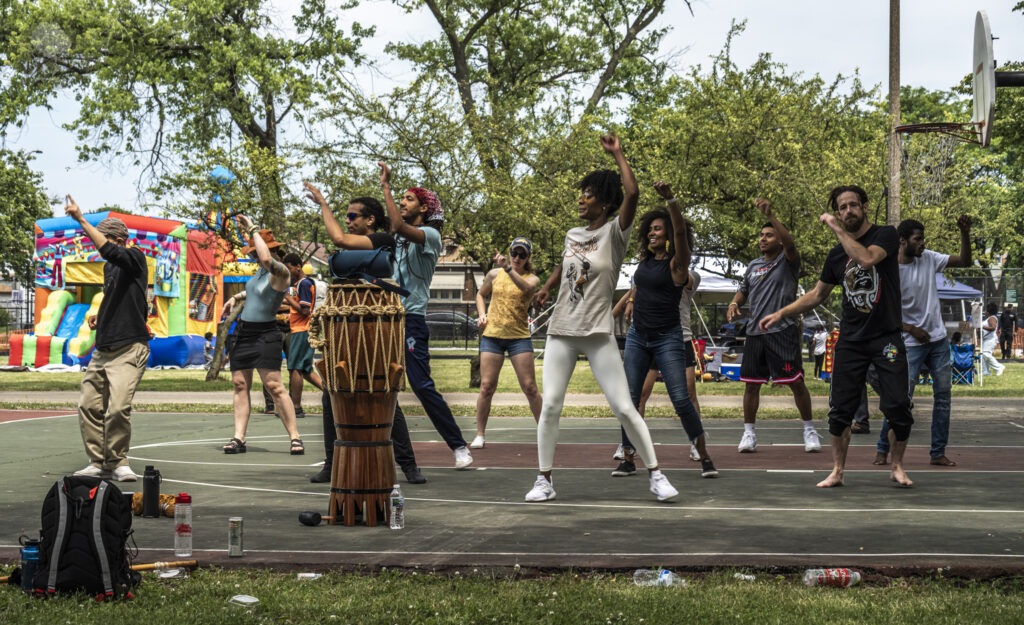
Dr. McBride creatively harkens back to African American cultural wisdom and the symbol of the Sankofa bird to bring us back to the beginning of Auburn Gresham’s evolution of change, through the voices of long-time residents who tell of how Auburn Gresham transitioned from a predominantly white community to a majority Black neighborhood over seventy-five plus years.
The Report speaks of the devastating shifts in violence, relationships, ascetics and poverty over the decades, and the gains in art infrastructure development and resources which have been recent occurrences.
It is evident from the Report, that the residents crave healthy community relationships. They emphasized the importance of caring for those most vulnerable, those who are struggling and insuring they have their needs met. Keeping neighborhoods clean and well-maintained through caring for yards, open spaces, empty lots and streets. They spoke of uplifting art and nature, and having more celebrations to celebrate the community for its strength and culture.
One of the most important concerns voiced by residents was family, which many said was their main source of happiness that uplifted, supported and ultimately saved them. All family, to these residents, is not biological. Many spoke of how they have “made family,” creating their own extended family network and how they would like people on the block to do that for each other.
A couple of the community respondents were:
Moses Williams, who serves as the executive director of Stein Learning Gardens an urban farm initiative in Auburn Gresham. His work with gardens aims to address food insecurity, by providing fresh produce and educating the community on sustainable agriculture.
Coretta J. Pruitt, aka CJ. She moved away from Auburn Gresham, the community she grew up in, to pursue higher education in community technology. Twenty-eight years ago, she returned and actively participates in community activities such as block club parties, CAPS meetings and advocates for community safety.
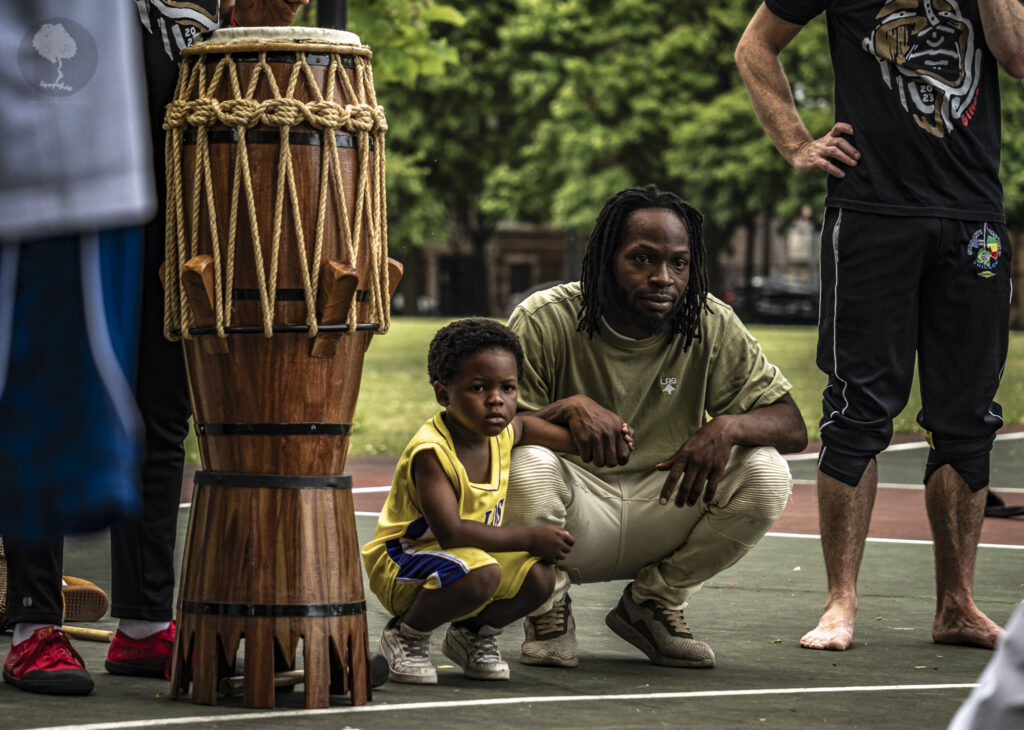
Other priorities highlighted in the plan are Youth Essentials, centering on education; Community Safety, focusing on creating and/or scaling practices of community safety, were community members address issues, create and maintain peace and are equipped to respond to what is happening in the neighborhood before, or in place of calling the police, and economy, beginning with strengthening relationships with business owners and cultivating entrepreneurs from the community.
Operating from the belief that the systems that are operating in our communities now are oppressive, and there is a need to build new systems and structure for the well-being and liberation of community residents, Dr. Dominica states that this Report is just one step in their system building process. They chose the name of the organization as BECOME because pursuing the plans through the voices of the community will lead to the community becoming the places of their dreams.
The awesome transformation that has taken place in the Auburn Gresham community is evidence of what can become when shared visions, shared hopes and shared values bring a community together for change.
To learn more about BECOME, or to read the Report in its entirety, visit Becomecenter.org.