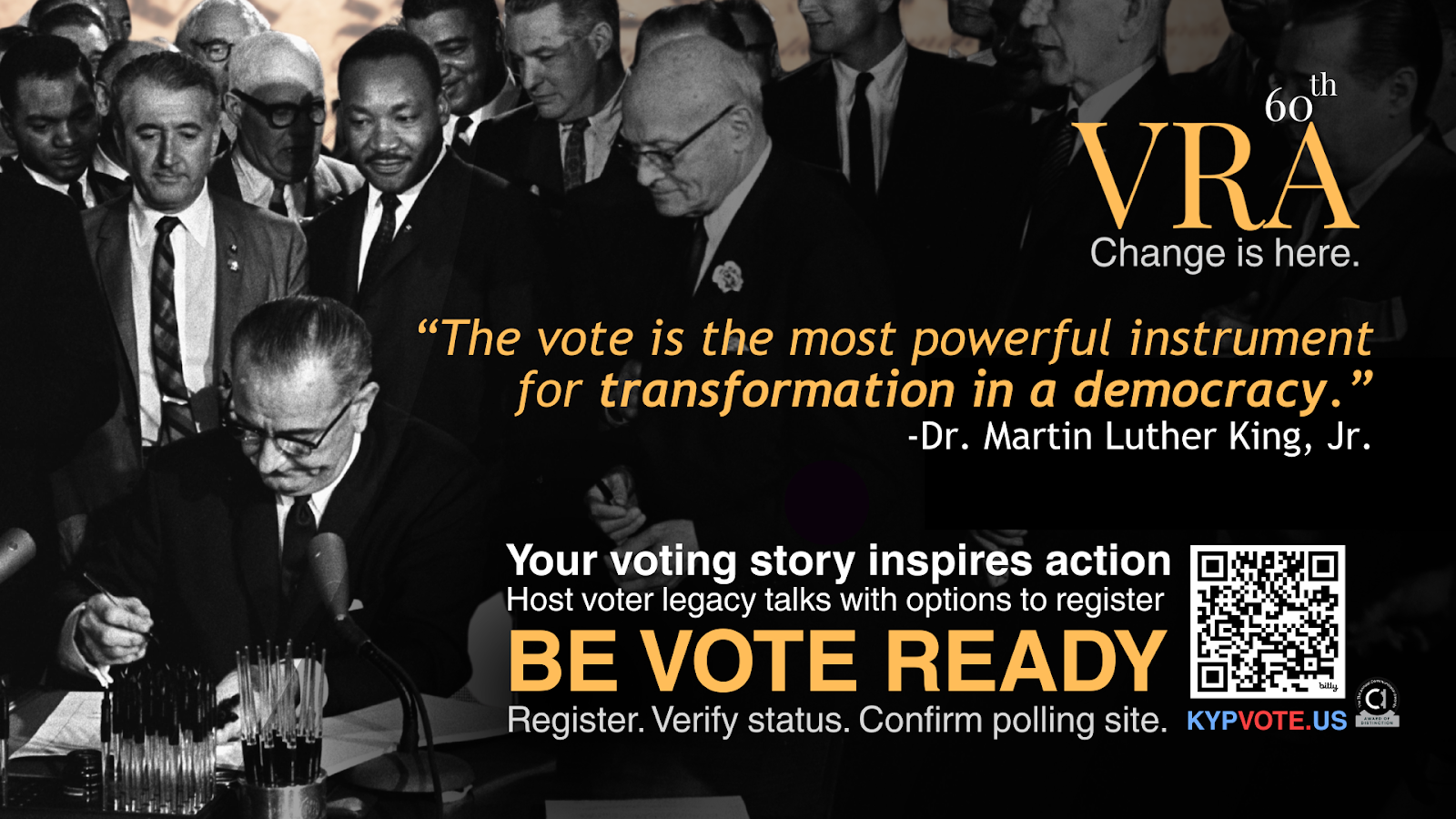

By the 1960s, it had become apparent that racism and segregation were not confined to the South. Chicago was considered severely segregated, leading Dr. Martin Luther King, Jr. to write, “I have never seen, even in Mississippi and Alabama, mobs as hateful as I’ve seen here in Chicago.” It was this reality that moved Chicago community leaders and clergy to beckon Dr. King to the city.
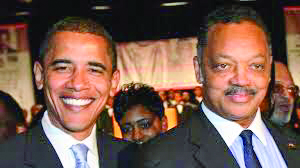
Dr. King did not come to Chicago alone. He brought with him civil rights activists and organizers who had worked alongside him in the segregated South. Among them was twenty-five-year-old Jesse Louis Jackson.
Jackson had been active in the civil rights movement since he was a nineteen-year-old college student, when he took a break from school to join seven other African Americans in a sit-in at the Greenville Public Library. In 1965, he participated in the Selma to Montgomery marches, organized by Dr. King, James Bevel, and other civil rights leaders in Alabama. Those who saw Jackson in action were immediately impressed by his drive, and Dr. King was no exception. King began giving Jackson a role in the Southern Christian Leadership Conference (SCLC), and when he returned from Selma, charged him with establishing a frontline office for the SCLC in Chicago. In 1966, Dr. King selected Jackson to head the Chicago branch of Operation Breadbasket—the economic arm of the SCLC.
When Dr. King arrived in Chicago and began holding weekly “cabinet” meetings in the office of Edwin C. “Bill” Berry, Executive Director of the Chicago Urban League, what quickly came to Jackson’s attention was the de facto segregation on Chicago’s south side. Segregation was rampant throughout the city, but the south and west sides—home to the largest Black populations—had no Black cashiers in supermarkets like Del Farms, High Low, A&P, and others. Jackson launched a boycott campaign, similar to those initiated by the SCLC in other cities, targeting white-owned grocery stores, soft drink manufacturers, and dairy companies that made large profits in African American neighborhoods. He also advocated support of Black-owned banks as a path to economic development, arguing that Black business owners were less likely to face discrimination when applying for loans.
Those of us living and working on the south side of Chicago saw the most visible signs of this discrimination in the supermarkets. Back then, nearly every supermarket had a butcher counter in the back where butchers would weigh and cut meat—chickens, steaks, and lunch meats were not pre-packaged as they are today. You would never see a Black person behind that counter. You would never see a Black cashier. Some stores had perhaps one Black stock boy. Most had none at all.
Jackson’s boycotts were effective. People began seeing Black cashiers and Black butchers appear in most supermarkets—with a few holdouts. Del Farms, located at 63rd and Vernon Avenue, closed its doors rather than hire Black employees. Although the EEOC had been in operation since 1965, it was Jackson’s boycotts that made those laws work in practice for Black communities, rather than remaining words on paper.
According to Stanford University’s King Institute: “Chicago Breadbasket went on to target Pepsi and Coca-Cola bottlers, and then supermarket chains, winning 2,000 new jobs worth $15 million a year in new income to the Black community in the first 15 months of its operation.”
George O’Hare, a former Sears Vice President and motivational speaker, described meeting Jackson in his memoir “Confessions of a Recovering Racist.” O’Hare had begun working with Dr. King, and when King’s work took him out of Chicago, he introduced O’Hare to Jackson. O’Hare subsequently met with Jackson in his Sears office and recalled:
“We began to talk about the problems of the world. As he went on with his world view, his perspective on what was going on in the political scene, and his predictions for the future, it occurred to me that I was sitting in the company of a twenty-five-year-old genius. For one so young to be so passionate about uplifting the Black race and helping to level the playing field was impressive to say the least. If I hadn’t been sitting there facing him I wouldn’t have believed that all of this wisdom could come out of the mind and the mouth of a young man only a few years out of his teens. We talked for over two and a half hours. I could see what Dr. King saw in this great young man.”
Jesse had brought his young wife, Jacqueline, and their two children to Chicago—three- year-old Santita and one-year-old Jesse Jr. The political legacy they would go on to build is remarkable: Jesse Jr. became a United States Congressman, Santita is a prominent radio host and well-known vocalist; their younger brother Jonathan was elected to the United States Congress; Yusef, Rev/ Jackson’s youngest son, is the CEO of the Rainbow/PUSH Coalition; “Little Jackie,” aka Jackie Jr., prefers to stay out of the spotlight and Ashley is a gifted writer, actress and singer.
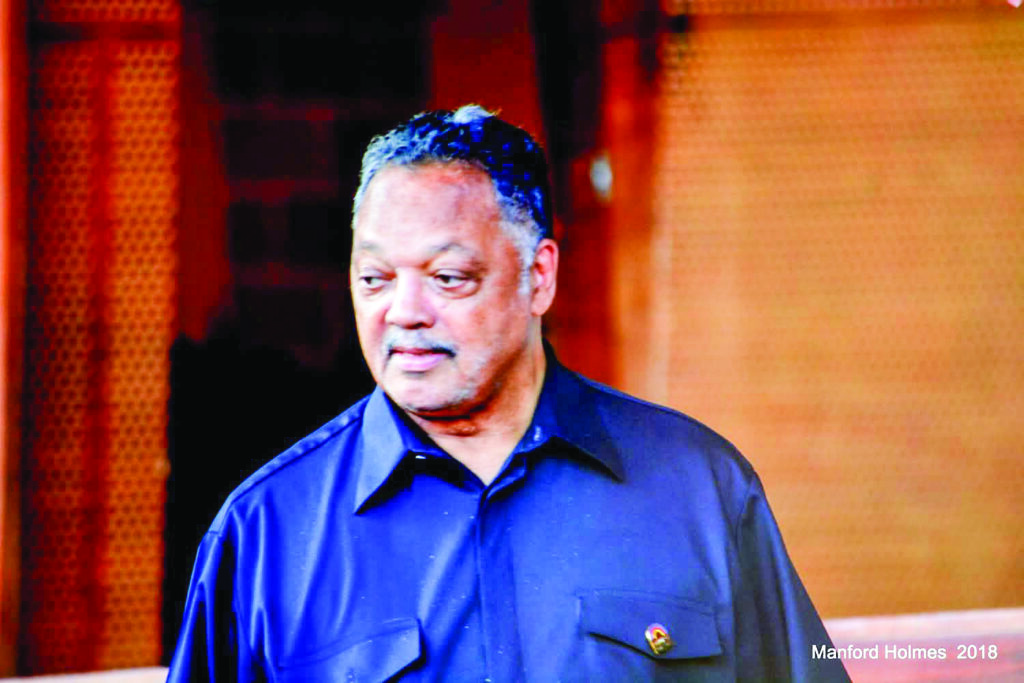
Jesse Jackson founded Operation PUSH (People United to Serve Humanity) in 1971. In 1972, he brought Black Expo to the Chicago International Amphitheater. He later merged Operation PUSH with the Rainbow Coalition—founded in 1969 by Fred Hampton—to form the Rainbow/PUSH Coalition, which staged boycotts against major businesses for their lack of investment in the African American community. As a result of the boycott of Coca-Cola and other major corporations, Coca-Cola donated over $34 million to Black businesses; Black advertising agencies flourished; and jobs for Black workers in the soft drink, beer, and banking industries multiplied. Reverend Jackson became sought after to negotiate “Moral Covenants” with Fortune 500 companies to hire Black employees and purchase from Black businesses.
Rev. Jackson also established the PUSH International Trade Bureau, which continued in an advocacy role for decades, pairing companies with qualified Black-owned businesses. In Chicago, the Bureau worked with Jewel Foods to train and develop more than thirty Black vendors who met weekly as PUSH opened doors in over 300 stores. Cub Foods and others followed, setting a model for grocers across Chicago and the country. By any measure, fifty years of economic focus put billions of dollars into Black hands.
In 1982, Reverend Jackson established phone banks at Operation PUSH to register new Black voters in support of Chicago’s first Black mayoral candidate. Through the phone banks and the “Come Alive October 5” voter registration campaign, thousands of new registrants were signed up in time for the election.
After the second-largest city in the United States elected its first Black mayor, it seemed natural to many that the country was ready for its first Black president. It was no surprise that the man who had done so much for the Black community—who had opened so many doors and leveled the playing field wherever he could—would be the one to run.
Jackson ran for president in 1984, garnering over three million primary votes, and again in 1988, winning seven million votes and seven primaries—Alabama, the District of Columbia, Georgia, Louisiana, Mississippi, Puerto Rico, and Virginia—along with four caucuses in Delaware, Michigan, South Carolina, and Vermont.
It was around the time of his 1988 presidential run that Rev. Jackson led the effort to have the community referred to as African Americans rather than Blacks, stating: “To be called African-Americans has cultural integrity. It puts us in our proper historical context. Every ethnic group in this country has a reference to some land base, some historical cultural base. African-Americans have hit that level of cultural maturity.”
Jesse Jackson not only sought to free American Blacks from segregation, racism, discrimination, and oppression—he also worked to free all Americans from hostage situations, a testament to his deep patriotism.
In 1983, he traveled to Syria to secure the release of Navy Lieutenant Robert Goodman, who was being held by the Syrian government—and succeeded. In 1991, he went to Iraq to plead with Saddam Hussein for the release of foreign nationals held as human shields, securing the freedom of 20 Americans and several British citizens. In 1999, he traveled to Belgrade, where he successfully negotiated the release of three United States POWs.
If we count the lives Reverend Jesse Louis Jackson has touched—not just through hostage negotiations, but through going into schools in Black communities and having children say “I am somebody!”; through inspiring people to make something of their lives because he ran for President of the United States; through the jobs his campaigns secured, the housing improved by Operation PUSH, the students lifted by the PUSH EXCEL Program; through the countless people, Black and white, who gained a new perspective on Black achievement through the Black Inventors’ Booth at Black Expo—we can only conclude that Chicago and the world were blessed to have had this hero among us.