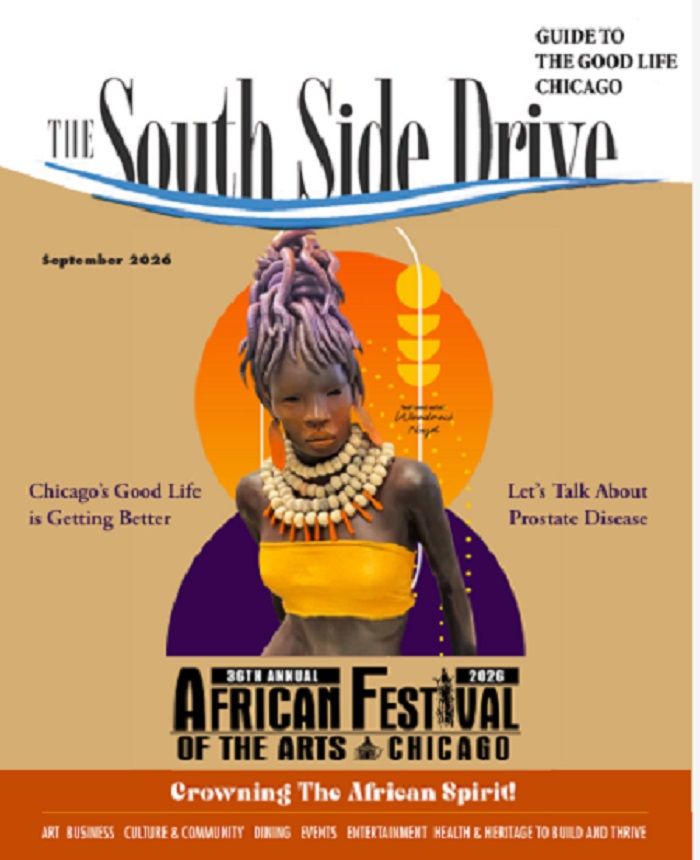


They could have named it “A Taste of Africa,” but wiser heads prevailed and founder Patrick Salingbey-Woodtor appropriately named what has become a rich piece of Chicago’s cultural legacy, the “African Festival of the Arts.”
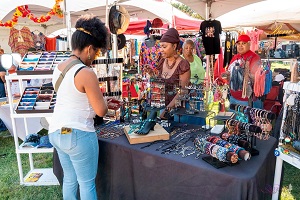
Since his arrival in the United States, Woodtor has been striving to bring glimpses of the Motherland to African Americans here in the United States. In 1983 he and his late wife, Dr. Delores “Dee” Parmer, brought a collection of folk art from Africa to Chicago, and began selling pieces on street corners, eventually moving into Hyde Park’s Harper’s Court and naming their retail store “Windows to Africa.” Windows to Africa quickly became more than a storefront. It served as a gathering place where South Side residents could handle carved masks, woven kente cloth and beaded jewelry imported directly from the continent, many of them for the first time. Word spread throughout Hyde Park and beyond, and Woodtor and his wife soon found themselves fielding requests for lectures, school visits and cultural workshops in addition to walk-in customers. That informal educational mission, more than the retail side of the business, would eventually become the seed of the festival itself.
Despite the success of Windows to Africa, Woodtor’s ultimate goal, and that of other Black and African artists, was to have his work showcased in the 57th StreetArt Fair. That opportunity seemed to have arrived one summer, when several Black artists attempted to set up booths near the fair. But that hope vanished when the police were summoned to remove the vendors and their African cultural wares. That oh, so familiar bit of racism was all the incentive Woodtor needed. In 1989 he convened a group of cultural supporters to manage activities that became the African Festival of the Arts. Woodtor and his family incorporated the nonprofit organization, Africa International House USA, to manage the festival, with the express mission of serving as a center that exposes and educates all peoples to the works and contributions of African cultures.
Now in its 37th year, the festival holds the distinction of being the nation’s largest Labor Day celebration of the global African diaspora, with more than 200 vendors and Chicago’s largest tourist attraction, second only to the recently opened Obama Presidential Center, bringing guests from across the African continent, as well as from the Caribbean, South America, and Europe, and throughout the United States.
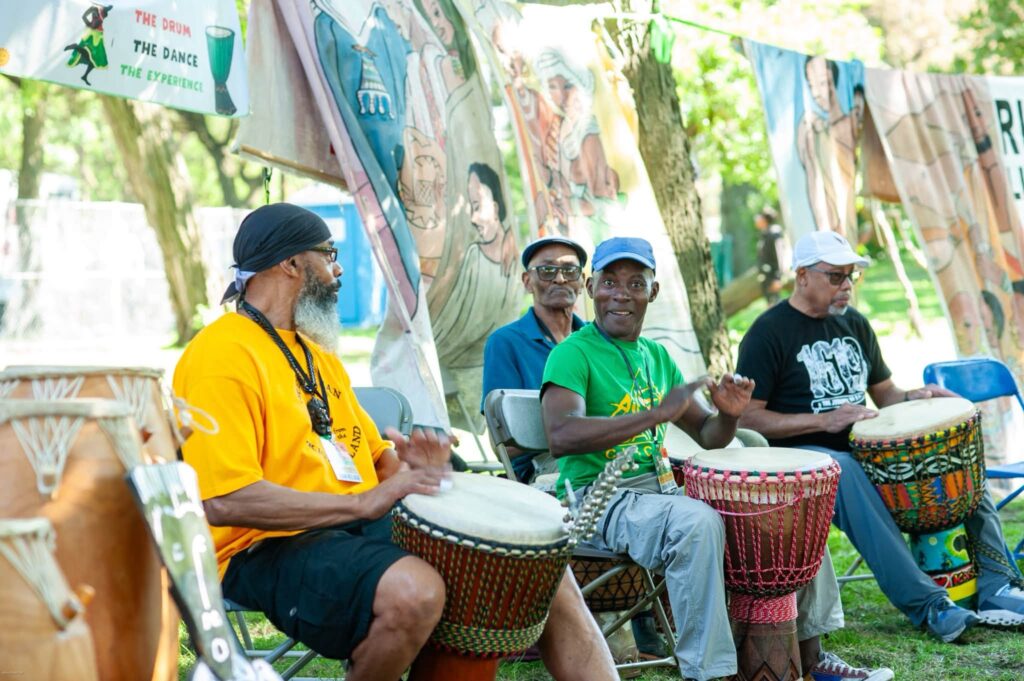
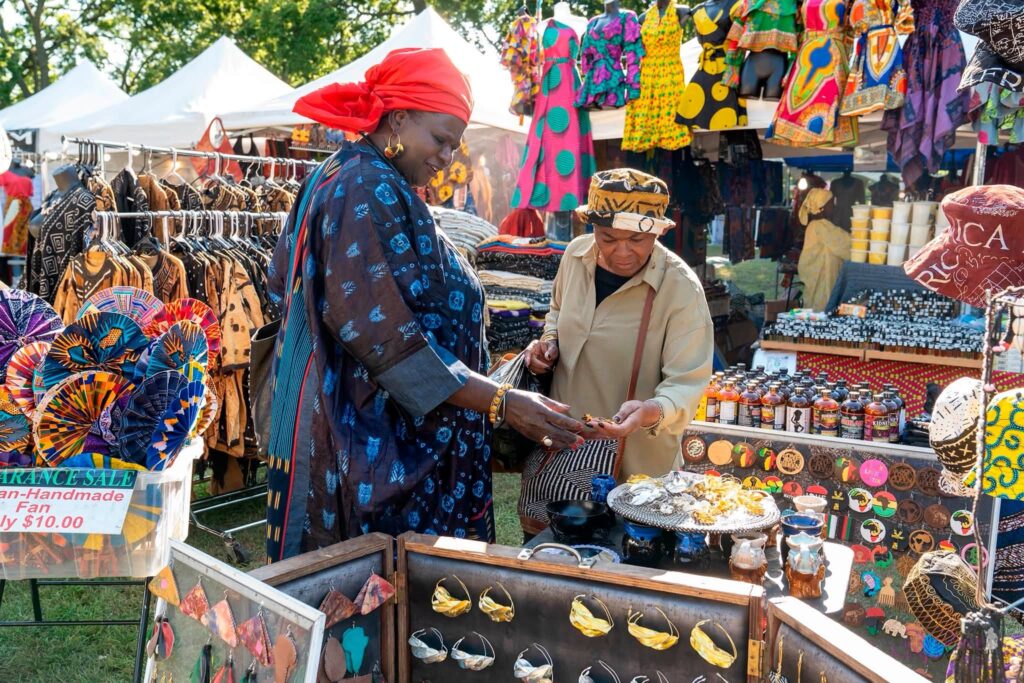
Music has always been central to the festival’s identity. Two stages typically run performances throughout each day, showcasing a line-up of contemporary celebrities representing R;B, jazz and hip hop acts as well as traditional West African drumming and dance troupes. However, what makes the event stand out is the Drum Garden, providing local drummers a forum and, more importantly, providing an African vibe and feeling of cultural connection that is unparalleled and should not be missed.
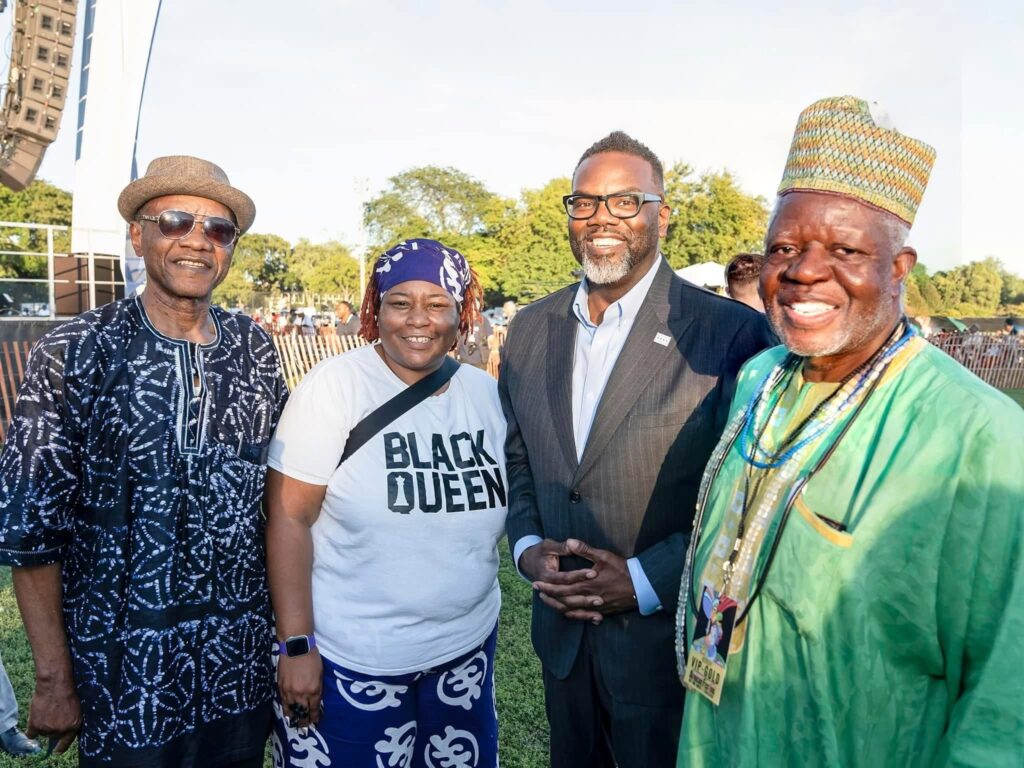
Mayor Brandon Johnson and First Lady Stacie Johnson will serve as Grand Baba and Grand Yeye for this year’s celebration; the theme, “Crowning the African Spirit,” emphasizes cultural pride, unity and the enduring relationship between Africa and its global descendants.
More than three and a half decades after Woodtor and his late wife first set up a folding table on a Hyde Park street corner, the African Festival of the Arts remains rooted in the same purpose that drove its creation: giving Black and African artists a stage of their own, and giving Chicagoans of every background a chance to encounter African culture directly rather than secondhand. For many South Side families, the festival has become as much a marker of the passing seasons as a cultural event, a gathering that closes out summer and opens a new school year with drumming, color, and the aroma of West African cooking drifting across Washington Park.