

Jazz may have been born in New Orleans, but it grew up on the South Side of Chicago—where it found its voice, its audience, and its future.
Along 47th Street in Bronzeville, once known as The Stroll, music didn’t just play—it spilled out onto the sidewalks. It drifted through open doors, echoed from club to club, and settled into the bones of a neighborhood that would help define the sound of a nation.
The Great Migration brought more than people north. It brought memory. It brought rhythm. It brought the blues, bent into something
new.
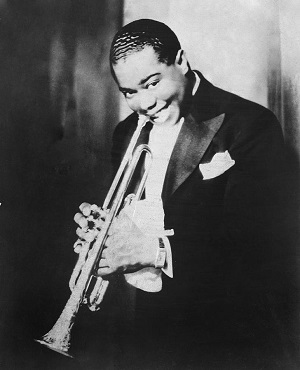
When Louis Armstrong arrived from New Orleans in 1919, he didn’t just carry jazz with him—he helped reshape it. In Chicago, the music began to stretch out. Solos grew bolder. Expression became more personal. The banjo faded, the guitar stepped forward, and the saxophone began to cry in ways the world had never heard before.
Chicago didn’t just embrace jazz—it gave it structure.
Here, the music moved from street corners to studios. Record labels, radio stations, and packed Black audiences transformed jazz from a cultural expression into a viable profession. Musicians could live off their art. More importantly, they could evolve in front of listeners who understood every
note.
As recording technology advanced, so did the reach of the music. Artists like King Oliver and Louis Armstrong became national figures. Jelly Roll Morton helped formalize jazz composition, while Earl Hines reimagined the piano, laying the groundwork for modern jazz.
But Chicago didn’t just nurture greatness.
It produced it.
In Hyde Park, a young
Herbie Hancock absorbed classical discipline and neighborhood rhythm before transforming global music. Ahmad Jamal came to Chicago in 1968 and found his artistic home in Chicago’s clubs throughout the remainder of his life, developing a style built on space, restraint, and elegance—one that would influence Miles Davis and generations beyond. Sonny Rollins, jazz tenor Saxophonist, now retired, is known as one of the most
important and influential jazz musicians ever. Rollins has a deep, historic connection to Chicago where he opened the Chicago Jazz Festival in 2008. Jack DeJohnette, a native of Chicago, emerged during the 1960’s, transitioning from piano to drums. As a key figure in the early free-jazz movement, he collaborated with future AACM founders, such as Muhal Richard Abrams, Roscoe Mitchell and Henry Threadgill for the 2013 Chicago
Jazz Festival.
The roots run even deeper.
Nat King Cole grew up on the South Side. In the 1940’s, Cole transitioned from a renowned jazz pianist to a superstar vocalist, leading the
King Cole trio to national fame. He was the first African American to have his
own TV show. Cole was an international
icon until his death in 1968. Dinah Washington brought gospel power into jazz with unmatched precision. Tenor saxophonists Gene Ammons and Johnny Griffin defined a Chicago sound—bold, blues-rooted, technically fierce, and emotionally direct. Oscar Brown Jr., multi-talented and multi-faceted, influenced the jazz world with his musical, The Great Nitty Gritty and songs that focused on the African American experience such as “Dat Dere,
“and “Watermelon Man” as well as composition of the lyrics to Mongo
Santamaria’s “Afro Blue.” Today, his daughters Maggie and Africa, continue his legacy as jazz vocalists, while planning for his one hundredth birthday
celebration.
And still, what makes Chicago different is this:
The music never left.
Night after night, it lived inside the clubs.
The Savoy Ballroom. Club DeLisa. The Forum. The Checkerboard Lounge. The Sutherland Hotel. The Pershing Hotel—where a teenage Terry Ross once took the stage alongside Paul Serrano, Jack DeJohnette, and Byron Bibo. By 1968, Ramsey Lewis was on the scene, blending jazz with gospel and soul, opening doors to mainstream audiences. At McKie’s Lounge, Ahmad Jamal and the Ramsey Lewis Trio played sets that would become
legend. And then there were the rooms that felt like home.
At Alexander’s Steak House in South Shore in the 70’s and 80’s, audiences gathered to hear Geraldine DeHaas—whose voice could stop a room—and who would later found the South Shore Jazz Festival and help save the South Shore Country Club. At the New Apartment Lounge, Von Freeman wasn’t just performing—he was teaching, mentoring, shaping the next generation.
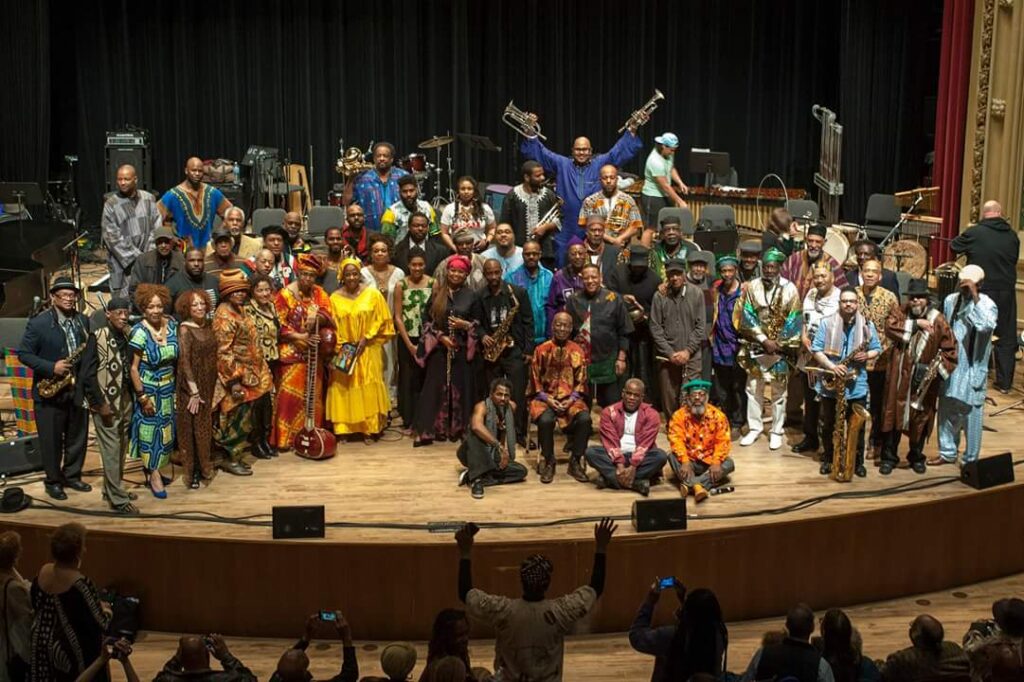
It was there that Margaret Murphy-Webb found her path.
As a young girl from the West Side, she rode the El and then a bus to 75th Street, chasing the music. “I would sing in the clubs, making about $20 a gig,” she recalls.
She met Von Freeman at the New Apartment Lounge, and Freeman
became her mentor, her teacher and her guide.
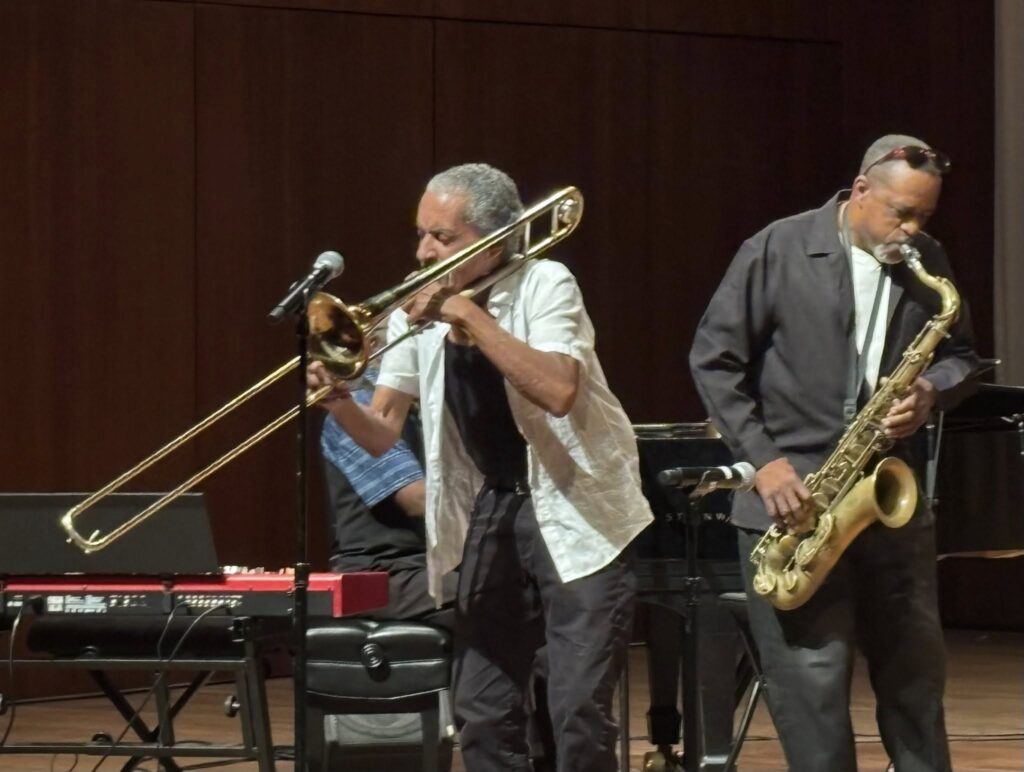
She listened to jazz at her father’s record store.
She learned and understood it under Freeman’s guidance.
And when he passed, she carried it forward.
What began as small sets at the Fifty Yard Line became something bigger—a mission. Inspired by Freeman’s belief that music should be accessible to everyone, Murphy-Webb founded the South Side Jazz Coalition, creating spaces where people could simply walk in and listen.
Today, that vision lives on.
Every second Tuesday, the Coalition hosts its Jazz Jam courtesy of the Chicago Department of Cultural Affairs and Special Events. Every fourth Sunday in the summer, Jazz’n on the Steps—known simply as The STEPS—fills St. Moses the Black Parish with music, dancing, and community.
Even as the national spotlight shifted, the South Side never let jazz fade.
It lives on in summer afternoons at the DuSable Black History Museum and Education Center during Jazz at the Du. Norman’s Bistro is a destination for Sunday jam sessions, led by Ernest Dawkins and once a year, Dawkins brings the Englewood Jazz Fest to Hamilton Park. Sandra Bivens anchors Bronzeville with the Brown Derby Jazz Festival.
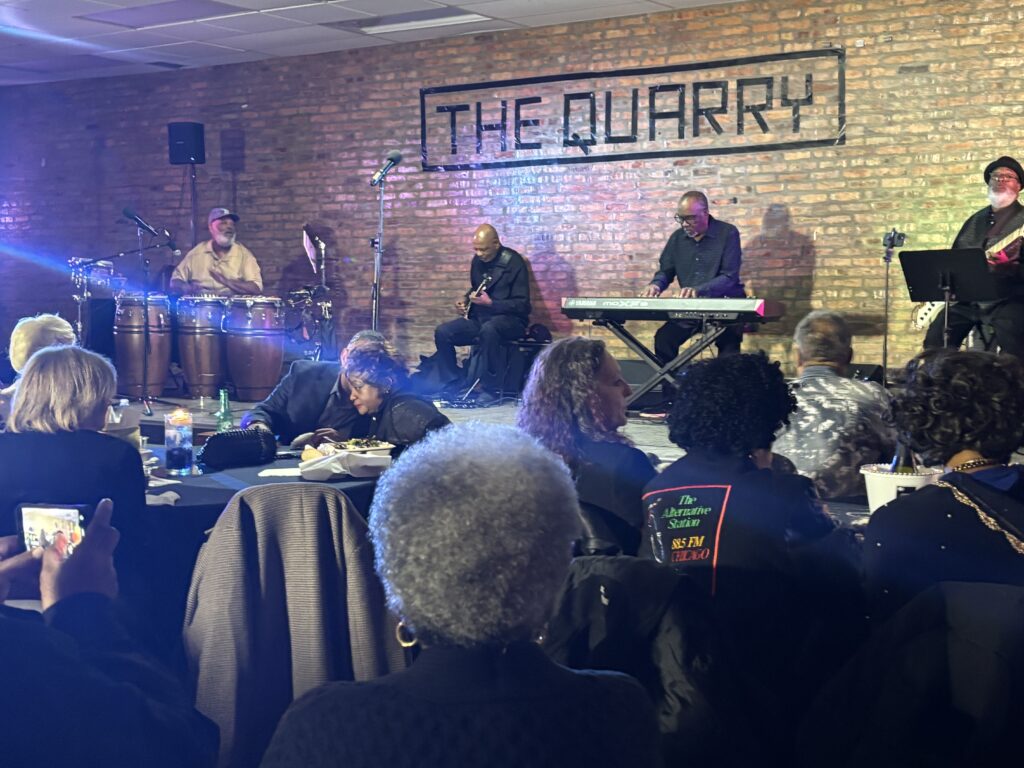
For a dozen years, the Quarry in South Shore has hosted weekly and now monthly jazz, supporting artists and continuing a south side and 75th Street tradition. The Quarry has featured many Chicago jazz greats, including Bobby Irving, Willie Pickens, Bobbi Wilson, Bruce Henry, James Perkins, Joan Collaso; Juan Coleman, Senabella; Dee Alexander; —and countless others.
The Quarry is the closest thing to an old school supper club you’ll get. “The desire is to continue our anchoring jazz, as the Quarry is the only Black-owned venue, that has been doing so for a dozen years,” says Quarry General Manager, Rael Jackson, who is renting the event space and discovering an interest in jazz from Quarry-Oke to House and R&B customers. “Ideally, with partners, we can begin offering jazz weekly again as we once did, 2014-2016 and 2018-2019, before the pandemic.”
Tony Carpenter (TOCA) cultural guru and percussionist, brings high level production and cultural management to the Quarry, carrying forward the Quarry’s legacy of weekly jazz to current monthly live performances. His role centers on fostering community and culture, often
collaborating with organizations like Real Men Cook. TOCA is a highly-regarded Chicago jazz legend. He was percussionist for singer, Jerry Butler for over thirty years, and has also played with the Emotions, gospel artists Kim Stratton and Walt Whitman and the Soul Children of Chicago. TOCA recorded with Ramsey Lewis, Leroy Hutson and organist, Charles Earland. TOCA was a great influence on the creation of Trinity United Church of Christ’s Jazzapalooza, an annual event
which he produced for ten consecutive years, to which he brought many well-known performers and introduced a number of rising stars. TOCA has been featured in Harper Court outdoor performances and regularly performs at many city-sponsored events, keeping the
rhythm moving through drum circles, performances, and collaborations that
connect generations.
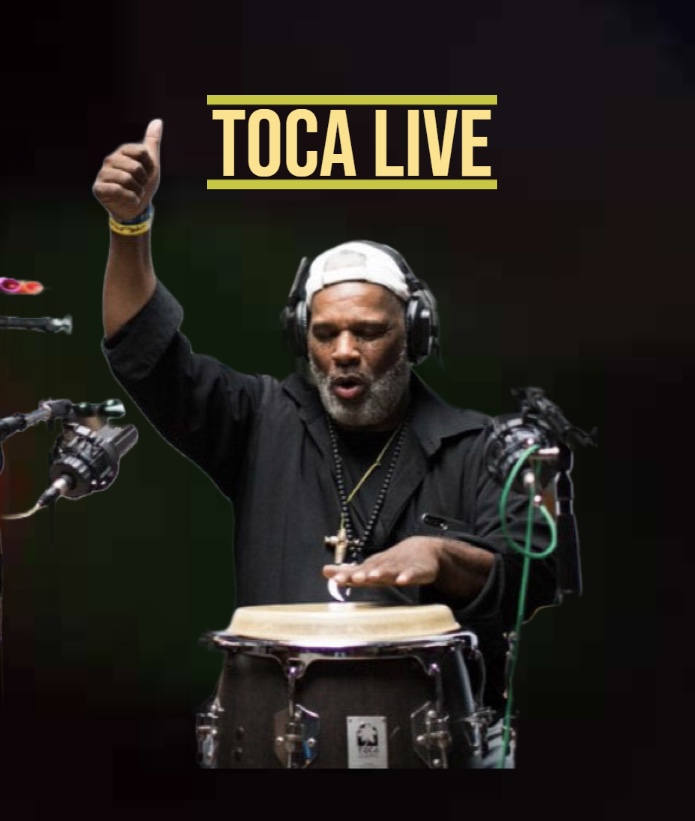
TOCA says, “With all the craziness that’s going on in life, being a musician, with the joys of coming together to play healing music and connect with audiences and the joy of just coming together to have a good time means so much.” He tells us that, “My responsibility is knowing my audience is coming together just to free
themselves up and tune into good vibrations. That’s been a great part of this journey for me.”
The now generation is carrying the culture forward with rising stars, Isaiah Collier, Jeremiah Collier, Corey Wilkes, Bethany Pickens, Meagan McNeal, Alexis Lombre, Taylor Moore and more to come thanks to institutions, including the Chicago State University’s programming which includes jazz bands
and their Jazz On the Grass Concert series.
Jazz on the South Side is not history, it’s presence. It’s memory; it’s breath. It may have been born in New Orleans, but it was raised in Chicago. It grew up here. And here, it doesn’t age. It settles. It deepens. It swings.